
AutoRobXL
AutoRobXL
Building Germany’s Leading Innovation Ecosystems for Construction Machinery Automation
Executive Summary
The automation of large construction machinery represents one of the most demanding engineering challenges in industrial automation.
Unlike factory robots operating in structured environments, construction machines must perform complex tasks under constantly changing conditions while controlling large, flexible boom structures with high precision.
Recognizing that no single organization possesses all required competencies, AutoRobXL was established as a collaborative innovation initiative bringing together SMEs, industrial technology leaders and leading research institutions to jointly develop the next generation of intelligent construction machinery.
The Network at a Glance
| Spotlight: | AutoRobXL |
|---|---|
| Focus | Construction Machinery Automation |
| Network Manager | Baumgaertner Innovation GmbH / Whiterock AG |
| Universities | 3 Institutes of TU Dresden |
| Industrial Partners | 12+ SMEs and Technology Companies |
| Funding Instrument | ZIM Innovation Network / Phase 1 & Phase 2, publicly funded, followed by private funding by the industrial network partners. |
The Challenge
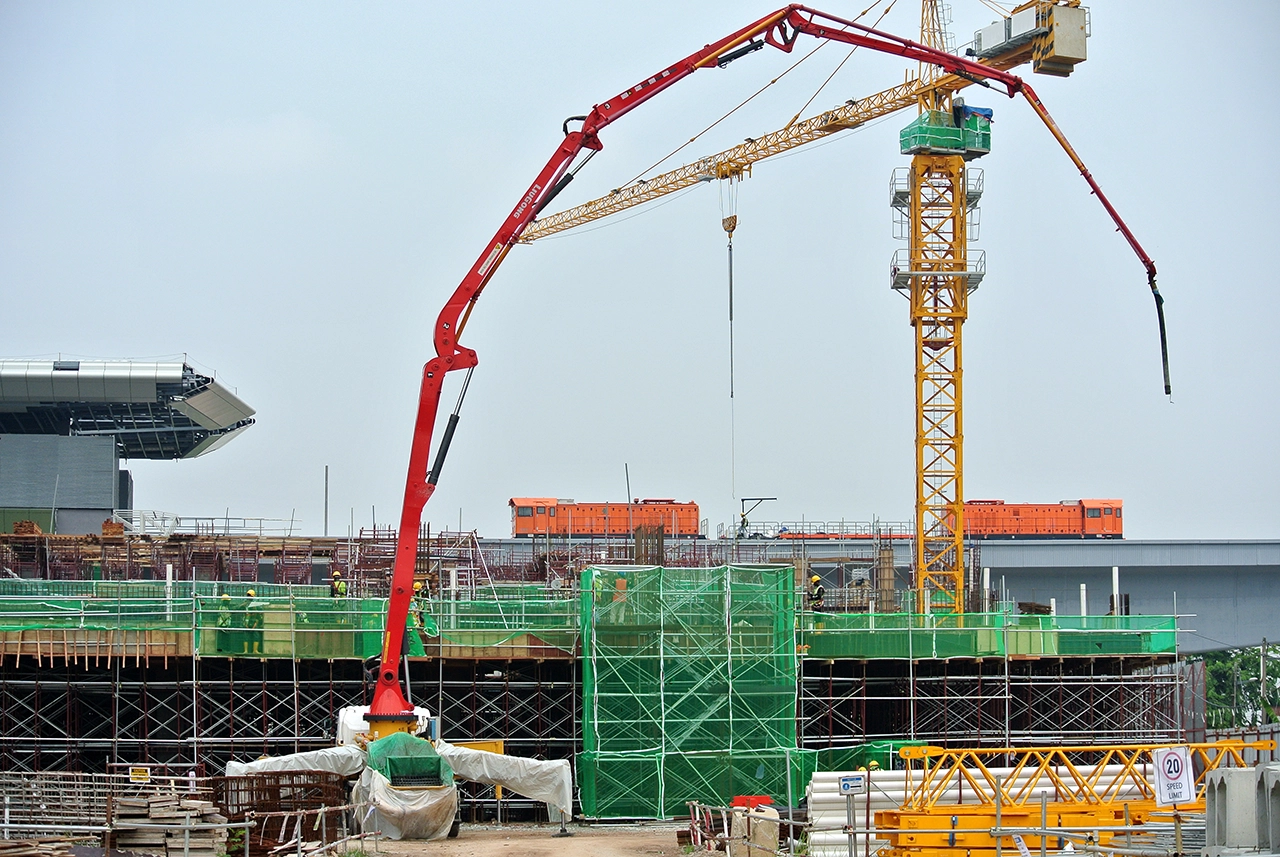
Automation has transformed manufacturing. Construction sites remain fundamentally different. Large mobile machines operate in dynamic, unpredictable environments while controlling highly elastic boom structures that are subject to deformation and vibration.
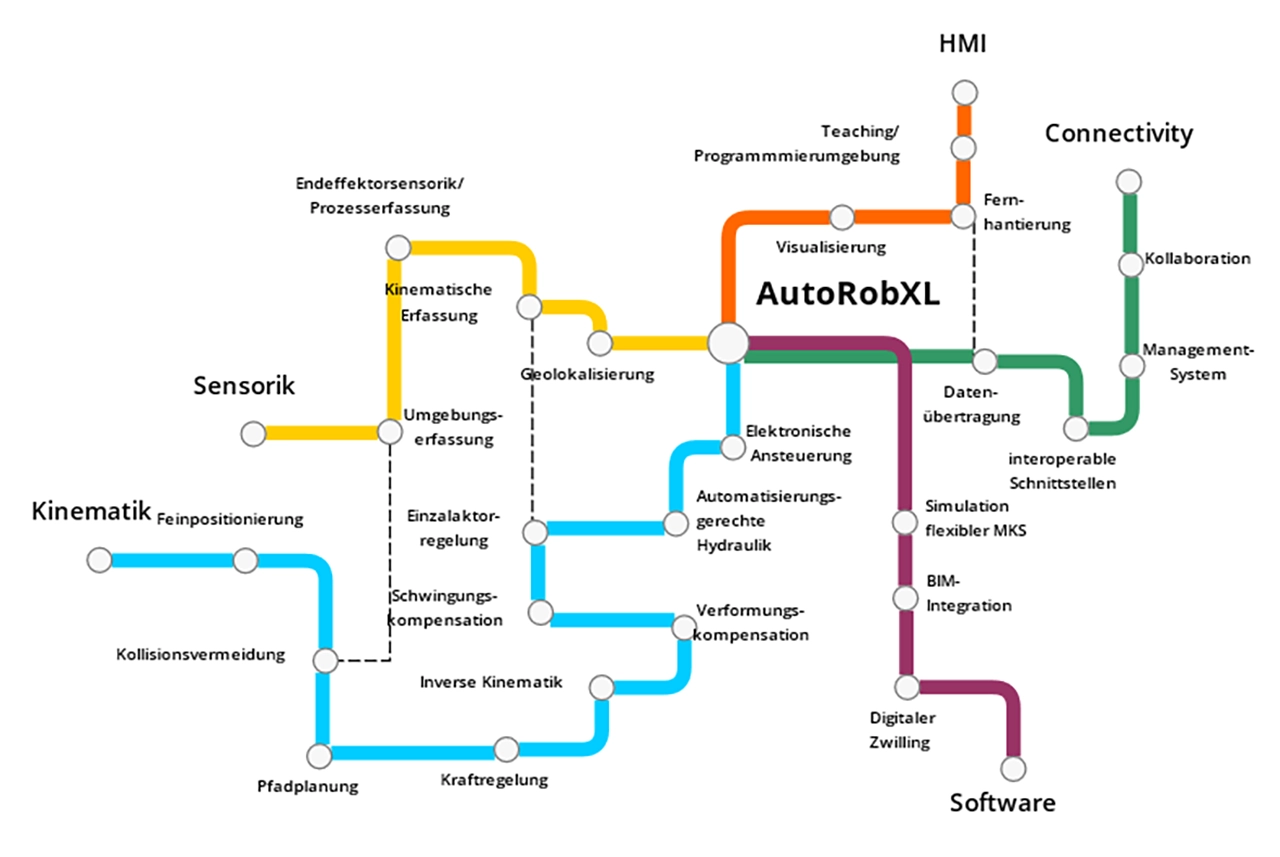
Achieving autonomous operation, therefore, requires advances in:
- precision positioning
- hydraulic control
- sensing technologies
- mobile automation
- human-machine interaction
- artificial intelligence
No individual company can master all these disciplines alone.
The Strategy
Rather than developing isolated technologies, AutoRobXL pursued a broader vision: Build an innovation ecosystem before building individual products. The network combined:
- construction machinery manufacturers
- hydraulic specialists
- sensor companies
- automation experts
- software developers
- universities
- future industrial users
into a trusted collaboration platform capable of continuously generating new R&D projects.
From Projects to a Platform
One of the most important outcomes of AutoRobXL was the transition from individual research activities toward a permanent innovation platform. The network generated multiple collaborative ZIM projects, continuously expanded its partner landscape and established new formats for strategic technology development.
One example is the Ideas Workshop, where network partners jointly evaluate future technology trends before transforming promising concepts into collaborative research projects. Instead of reacting to innovation opportunities, the ecosystem actively creates them.
Results
During its development, AutoRobXL achieved several strategic milestones.
- Established one of Germany’s leading collaborative ecosystems for construction machinery automation
- Successfully launched six ZIM collaborative R&D projects with a 100% funding rate
- Connected SMEs with leading research groups at TU Dresden
- Integrated industrial technology leaders into a common innovation platform
- Introduced continuous technology scouting through Executive Ideas Workshops
- Created a foundation for future autonomous construction machinery technologies
Beyond Technology
Perhaps the most valuable outcome was not technological. It was organizational. AutoRobXL demonstrated how an innovation ecosystem can continuously generate
- new partnerships
- new research ideas
- new funding opportunities
- new industrial collaborations
long after the initial network has been established. Innovation became a capability rather than a project.
Lessons Learned
- Start with a Shared Vision: Every successful innovation ecosystem begins with a shared strategic vision. In AutoRobXL, we developed a common technology roadmap that aligned all partners around long-term objectives and continuously refined it as projects progressed and new milestones were achieved.
- Build Complementary Teams: Breakthrough innovation requires complementary capabilities rather than similar expertise. A critical success factor was integrating the entire value chain—from component manufacturers and software developers to machine manufacturers, AI providers and leading research institutions—into one collaborative ecosystem.
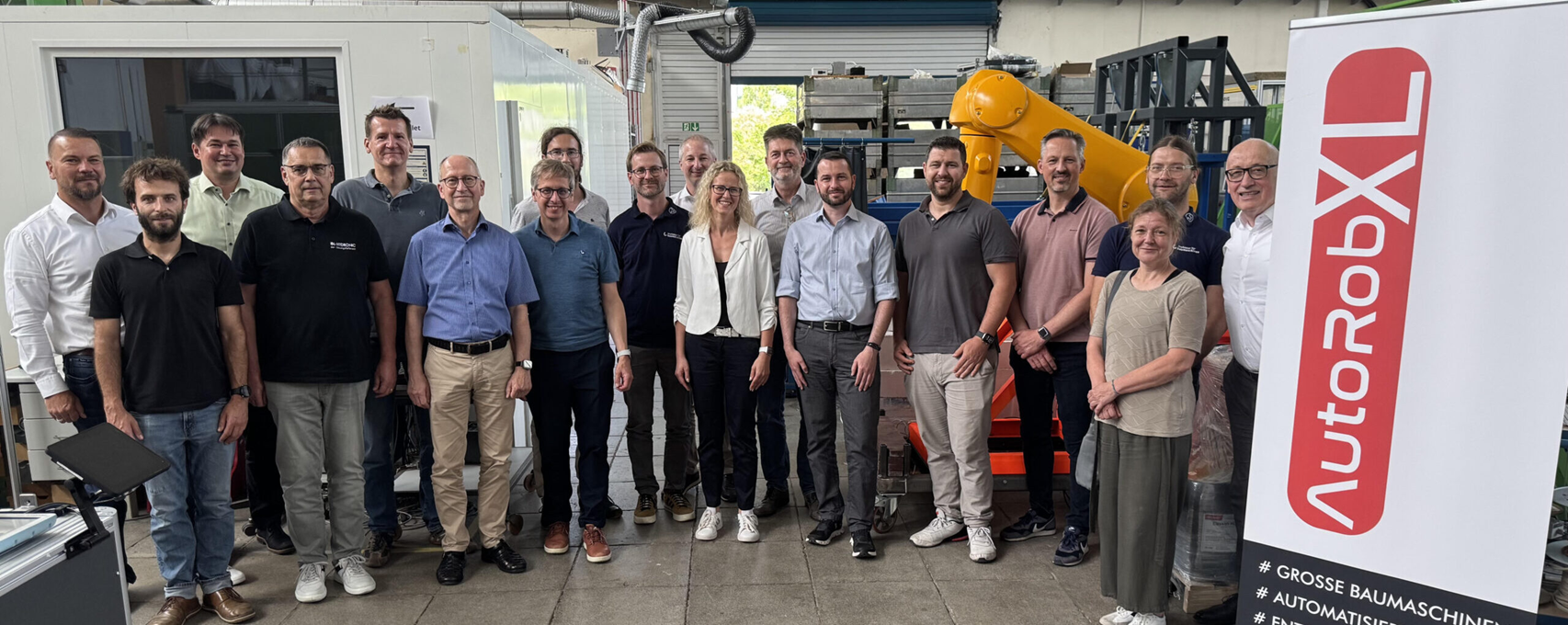
- Create Trust Before Scale: Trust cannot be established through contracts alone—it is built through continuous collaboration. We invested heavily in networking activities, combining regular virtual meetings with on-site workshops at both network and project level. This created the openness and confidence required for successful long-term cooperation.
- Build an Innovation Pipeline: The objective was never a single successful project. Our goal was to establish an integrated innovation pipeline that continuously generated new ideas, collaborative R&D projects and long-term technology opportunities for all network partners.
The objective was never to get some project funded. Our ambition was to build a self-sustaining innovation pipeline that continuously generates new technologies, collaborative R&D projects and business opportunities for every partner in the ecosystem.
Industrial Collaboration
Product Development
Administrative Complexity
Continue Exploring
Learn more about collaborative innovation, industrial partnerships and strategic funding:
Let’s Start a Conversation
Considering ZIM for your next innovation project? Whether you are evaluating a new technology, planning your innovation pipeline or exploring collaborative development, we’d be delighted to discuss your plans. All conversations will be treated with the utmost discretion. It is complimentary and without obligation. → Schedule a Strategic Conversation