
Strategic Partnerships
Strategic Partnerships
Build your proprietary technology deal flow.
Tomorrow’s competitive advantage depends on today’s technology relationships.
The technologies that will define tomorrow’s markets rarely emerge inside a single organization. They are developed by innovative SMEs, research institutions, technology start-ups and industrial pioneers—often years before they become visible to the broader market. For executive teams, the challenge is no longer simply to innovate. It is to gain early access to the technologies, companies and partnerships that create future strategic options. That is the purpose of a proprietary technology deal flow.
Why Technology Deal Flow Matters
Markets reward organizations that recognize strategic opportunities before their competitors:
- Some opportunities become collaborative R&D projects.
- Some evolve into long-term industrial partnerships.
- Others develop into strategic investments, joint ventures, or acquisitions.
The strongest partnerships therefore do not always end with collaboration. They often become part of a company’s long-term growth strategy. A continuous technology deal flow enables executive teams to evaluate these opportunities before they become obvious to everyone else.
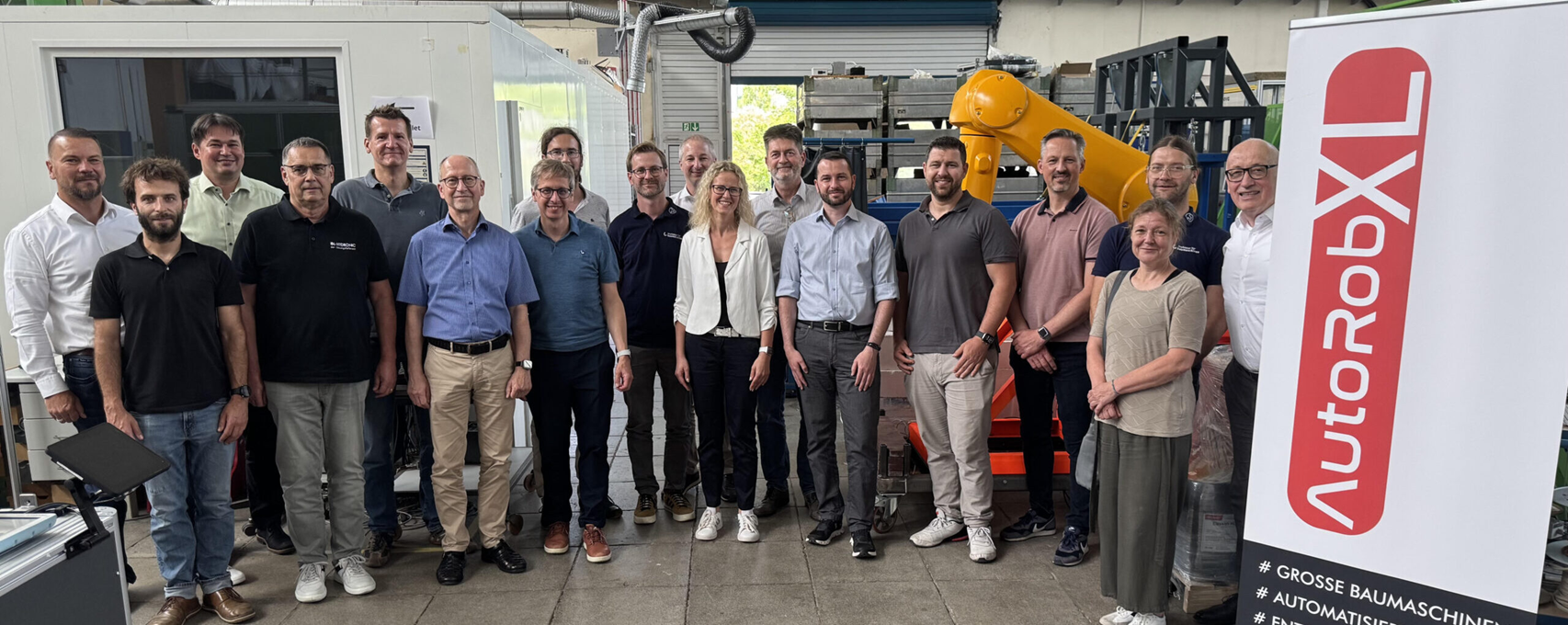
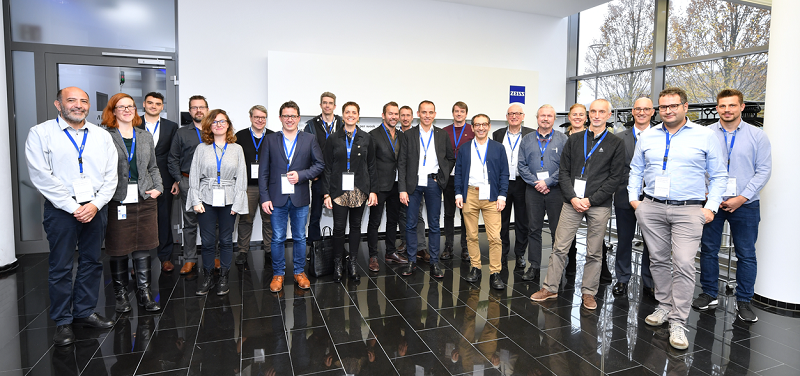
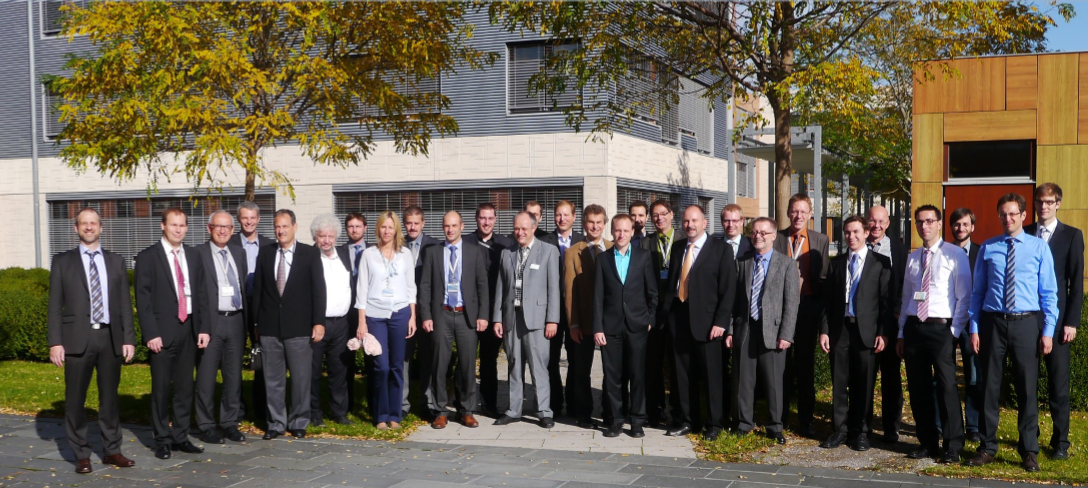
Three Levels of Strategic Partnerships
Technology relationships evolve. Not every opportunity requires the same level of commitment.
Building a Proprietary Technology Deal Flow
Technology deal flow is not created by attending conferences or expanding a contact database. It is built through continuous engagement with innovation ecosystems. We help executive teams identify emerging technologies, innovative companies, research organizations, and industrial partners that complement their long-term innovation strategy. Together we evaluate:
- emerging technology trends
- strategic capability gaps
- complementary industrial partners
- leading research organizations
- international collaboration opportunities
- future acquisition and investment opportunities
The objective is not simply to create partnerships. The objective is to continuously expand your strategic options.
Our Approach
Every successful technology relationship begins with strategy. We first seek to understand your long-term innovation ambitions. Only then do we identify the technologies, organizations, and ecosystems that are most relevant to your future competitive position.
- Some opportunities become collaborative projects.
- Some evolve into long-term strategic partnerships.
- Others ultimately become strategic investments, joint ventures or acquisitions.
Our role is to help organizations build a proprietary technology deal flow that continuously creates new opportunities for innovation and growth.
Our Philosophy
The future cannot be predicted. But it can be prepared for. Technology leaders rarely succeed because they possess all the right capabilities internally. They succeed because they continuously expand their strategic options. The organizations that create the greatest long-term value are those with early access to emerging technologies, trusted relationships, and high-quality technology opportunities.
This is why we believe strategic partnerships are not an end in themselves. They are the foundation of a proprietary technology deal flow that enables stronger innovation and sustainable growth.
Let’s Start a Conversation
Every proprietary technology deal flow begins with one trusted conversation. Whether you are exploring new technology fields, building strategic partnerships, or evaluating future acquisition opportunities, we would be delighted to discuss your innovation ambitions. All conversations are treated with the utmost discretion, are complimentary, and without obligation. → Schedule a Strategic Conversation